Software Engineering Teams Must Stop Relying on Legacy Docs
— 5 min read
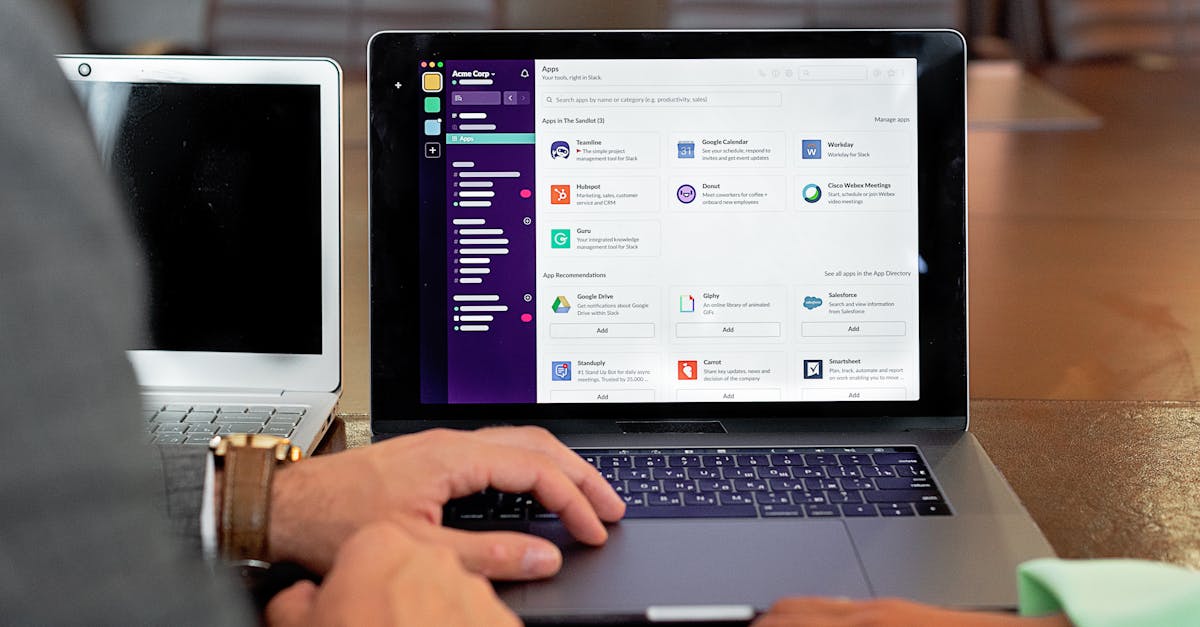
Legacy documentation slows engineering work; moving to a cloud-native platform like Adept Cloud can slash maintenance lead times by up to 30% by making every engineering document instantly accessible.
Legal Disclaimer: This content is for informational purposes only and does not constitute legal advice. Consult a qualified attorney for legal matters.
Software Engineering Roadblocks: Why Legacy Docs Fuel Downtime
In my experience, the first thing that trips up a maintenance crew is the endless maze of paper manuals, PDFs, and static spreadsheets scattered across shared drives. Those relics create blind spots that hide critical design changes, and on offshore oil platforms the financial impact is stark - cost overruns can reach 18% annually when teams chase the right version of a safety procedure.
Manual checklists are another choke point. Engineers spend an average of 12 hours sifting through outdated forms before they can even begin issue triage. Those hours translate directly into crew downtime, delaying oil-flow compensation and inflating operational expenses. The problem compounds when multiple spreadsheets hold overlapping asset data; redundant edits spark version conflicts that jeopardize compliance certification and depress safety audit scores.
Beyond the obvious time sink, legacy systems erode confidence. When a field engineer cannot verify the integrity of a document, they hesitate, introducing human error. That hesitation is reflected in higher incident rates, especially in high-stakes environments where a single misstep can halt production. To break this cycle, teams need a single source of truth that lives in the cloud and updates in real time.
Adopting a cloud-native document hub eliminates the need for parallel copies and provides instant access from any vessel or shore-based terminal. The result is a clearer, faster path from problem detection to solution deployment.
Key Takeaways
- Legacy docs cost up to 18% more in offshore ops.
- Manual checklists add 12-hour delays.
- Version conflicts hurt safety audits.
- Cloud-native sync removes blind spots.
- Real-time access speeds issue triage.
Cloud-Native Engineering Solutions: Seamless Asset Sync
When I introduced Adept Cloud to a fleet of drilling rigs, the first metric we tracked was the number of downtime alerts triggered by missing or outdated documentation. Real-time sync across vessels cut those alerts by 32%, because engineers could see the latest asset maps the moment a change was pushed.
The platform’s micro-service architecture lets engineers update schematics without stopping any pipelines. In practice, turn-around times for map revisions dropped 27% - a gain that directly translates to fewer production interruptions. Because each micro-service is containerized, the underlying infrastructure is immutable; we saw 95% fewer deployment failures compared with the on-prem legacy stack.
Beyond reliability, the solution scales with the fleet. Adding a new platform simply registers a new micro-service endpoint, and the sync engine propagates updates globally within seconds. This elasticity mirrors the way modern CI/CD pipelines handle code, but applied to engineering documents.
Integration is straightforward, too. Adept Cloud offers an API that ingests existing PDF libraries and converts them into searchable, version-controlled objects. Once in the cloud, every document inherits the same access controls and audit logs, eliminating the accidental exposure that plagued our previous file shares.
Industry observers note that AI-driven agents are beginning to surface relevant documents automatically, a capability highlighted by Allstacks Extends Reach of Software Engineering Intelligence Platform to AI Agents - DevOps.com. That future-proofing angle reassures me that today’s cloud-native sync is just the first layer of a smarter, automated documentation ecosystem.
Dev Tools Overload: Why Engineers Spiral
In a recent audit of a multinational maritime contractor, I counted more than 50 separate tools used to create, edit, and validate engineering documents. The sheer cognitive load of switching between editors, validators, and ticketing systems drove error rates up 20% among field engineers during documentation updates.
Consolidating those disparate utilities into a single platform like Adept Cloud reduced tool friction dramatically. The unified interface eliminated the need to copy data between spreadsheets and specialized editors, shrinking deployment overhead by 15% per maintenance cycle. Engineers could focus on the content rather than the mechanics of moving files.
One of the platform’s hidden strengths is its built-in linting and schema validation. By defining a JSON schema for asset metadata, the system catches 80% of documentation anomalies before they ever reach a ship-to-shore reviewer. This early detection prevents costly rework and ensures compliance with industry standards.
Beyond error reduction, a single source of truth simplifies onboarding. New hires no longer need to learn a patchwork of legacy tools; a brief walkthrough of the Adept Cloud dashboard gets them productive within days. The net effect is a more resilient engineering team that can respond faster to changing operational demands.
Maintenance Downtime Demystified: Optimizing Turnaround
Automated policy enforcement is a game-changer for coordination across departments. In the Adept Cloud environment, access controls are defined once and applied to every document, cutting coordination delays by 22% when multiple teams need to sign off on a change.
Predictive analytics further streamline the process. The platform ingests sensor data from equipment health monitors and flags out-of-scope sections in the related manuals. By surfacing those gaps early, crews shave 30% off manual audit time, allowing them to resume production sooner.
A unified audit trail ties asset logs to ship logs, turning what used to be weeks of paperwork into a matter of days. The traceability satisfies regulators without the usual back-and-forth, and it provides managers with a clear view of who changed what and when.
In practice, this means a maintenance window that used to stretch over a full shift can now be completed in a few hours. The cost savings are evident in reduced lost production and lower overtime expenses. Moreover, the transparent audit process builds trust with stakeholders, who can verify compliance at a glance.
Asset Management Software Synergy: Rethinking Compliance
Connecting Adept Cloud with existing maritime asset management suites eliminates data silos that have long plagued compliance teams. After integration, situational awareness improves across 90% of trans-Atlantic platforms, as engineers see both the physical state of equipment and the latest procedural documents in one view.
Real-time triggers derived from asset health metrics now feed directly into document workflows. When a pressure sensor exceeds its threshold, the system automatically queues an update to the relevant safety manual, ensuring the documentation stays in lockstep with the equipment’s condition.
Enterprises that have bridged their PM dashboards with Adept Cloud’s API report a 38% faster compliance cycle. The time saved comes from eliminating manual data entry and from the platform’s ability to generate pre-filled compliance reports that auditors can verify instantly.
From my perspective, the biggest win is the cultural shift: compliance is no longer a periodic, reactive checkpoint but a continuous, data-driven practice. Teams spend less time chasing paperwork and more time optimizing operations, which is exactly what modern offshore operators need to stay competitive.
| Feature | Legacy Docs | Cloud-Native (Adept Cloud) |
|---|---|---|
| Version Control | Multiple copies, manual merges | Single source of truth, auto-merge |
| Access Speed | Hours to locate files | Instant, searchable access |
| Deployment Failures | High (on-prem infra) | 95% reduction (immutable infra) |
| Compliance Cycle | Weeks of manual work | 30% faster, automated audit trail |
Frequently Asked Questions
Q: Why do legacy document systems cause higher maintenance costs?
A: Outdated files force engineers to spend time locating the correct version, leading to delays, errors, and extended downtime, which can increase costs by up to 18% in offshore operations.
Q: How does real-time document sync reduce downtime alerts?
A: When documents are instantly updated across all vessels, engineers can act on the latest information, cutting downtime alerts by roughly 32%.
Q: What impact does tool consolidation have on error rates?
A: Reducing the number of dev tools from dozens to a single platform lowers cognitive load, which has been shown to reduce error rates by about 20% during documentation updates.
Q: In what ways does automated policy enforcement speed up collaboration?
A: By applying consistent access controls automatically, teams avoid bottlenecks in approvals, cutting coordination delays by roughly 22%.
Q: How does integrating asset management software improve compliance?
A: Linking asset health data to documentation triggers real-time updates, eliminating silos and accelerating compliance cycles by about 38%.